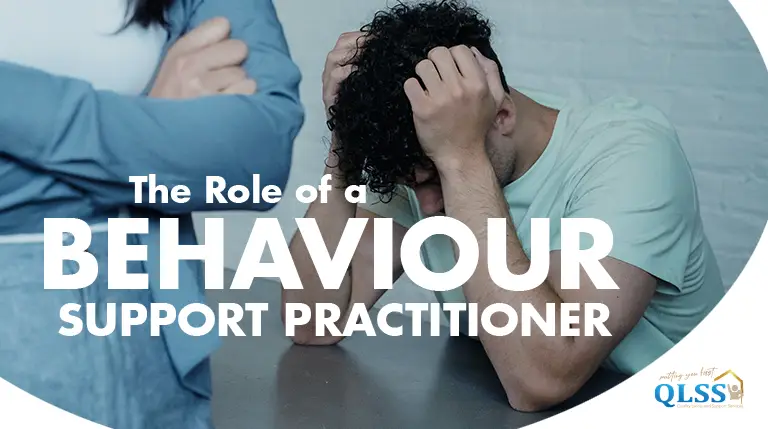
When people access NDIS supports, they may face challenges that affect their daily life, relationships, independence, or wellbeing. For some participants, these challenges can lead to behaviours that cause distress, limit opportunities, or create barriers to living the life they want. This is where a Behaviour Support Practitioner can help.
A Behaviour Support Practitioner works with NDIS participants, their families, carers, and support teams to understand why certain behaviours may be happening and how to provide positive, effective support.
What Does a Behaviour Support Practitioner Do?
A Behaviour Support Practitioner is a trained professional who helps improve a participant’s quality of life. Their main goal is not to “stop” a behaviour, but to understand what is causing it and find better ways to meet the person’s needs.
They spend time getting to know the participant, learning about their strengths, goals, communication style, and daily routines. They may speak with family members, support workers, teachers, or other professionals involved in the participant’s life.
Using this information, they develop strategies that help the participant feel safe, understood, and supported.
Understanding Behaviour
Behaviour is a form of communication. Sometimes a person may use behaviour to express pain, frustration, anxiety, confusion, or an unmet need.
For example, a participant may become upset because they struggle to communicate their needs, feel overwhelmed in busy environments, or have difficulty coping with changes to their routine.
A Behaviour Support Practitioner looks beyond the behaviour itself and focuses on understanding the reason behind it. This helps create long-term, positive solutions rather than simply reacting to the behaviour when it occurs.
Developing a Behaviour Support Plan
One of the key responsibilities of a Behaviour Support Practitioner is creating a Behaviour Support Plan.
A Behaviour Support Plan outlines practical strategies that support workers, family members, and carers can use to assist the participant. The plan is tailored to the individual’s needs and may include:
- Ways to improve communication
- Strategies to reduce stress and anxiety
- Environmental changes to support success
- Approaches for building new skills
- Guidance for support workers and family members
- Positive behaviour support techniques
The plan is designed to promote independence, inclusion, and a better quality of life for the participant.
Supporting Families and Support Teams
 Behaviour support is not just about working with the participant. It also involves helping the people around them understand how best to provide support.
Behaviour Support Practitioners often train and guide support workers, family members, and carers. They explain the strategies in the Behaviour Support Plan and help everyone respond consistently and positively.
When everyone works together, participants are more likely to achieve positive outcomes and feel supported across all areas of their life.
Working Alongside Support Coordinators
Behaviour Support Practitioners often work closely with Support Coordinators.
A Support Coordinator helps participants understand and manage their NDIS supports, connect with providers, and build their capacity to achieve their goals. When a participant has behaviour support needs, the Support Coordinator can help coordinate services and ensure all providers are working together effectively.
This teamwork helps create a strong support network around the participant and ensures services are aligned with their goals and needs.
Supporting Participants in SIL Homes
For participants living in Supported Independent Living (SIL) accommodation, Behaviour Support Practitioners play an important role in creating a safe and positive home environment.
They work alongside support staff to understand each participant’s individual needs and develop strategies that promote independence, choice, and wellbeing.
This may include:
- Supporting positive daily routines
- Improving communication between participants and staff
- Reducing triggers that may cause distress
- Building life skills and confidence
- Promoting community participation
- Supporting healthy relationships
By focusing on positive outcomes, Behaviour Support Practitioners help participants feel more comfortable and supported in their home environment.
Positive Behaviour Support
The NDIS promotes an approach called Positive Behaviour Support (PBS). This approach focuses on improving a person’s quality of life and reducing behaviours of concern through understanding, skill development, and supportive environments.
Rather than focusing on punishment or control, PBS encourages respectful, person-centred strategies that help people achieve their goals and participate fully in their communities.
The participant’s rights, dignity, and choices remain at the centre of every decision.
Why Behaviour Support Matters
Effective behaviour support can make a significant difference in a person’s life. It can help participants develop new skills, increase independence, strengthen relationships, and access more opportunities within their community.
By understanding the reason behind behaviours and providing positive, tailored support, Behaviour Support Practitioners help participants build confidence and achieve outcomes that matter to them.
At its core, behaviour support is about empowering people to live meaningful lives, make choices, and reach their full potential with the right support around them.
If you need assistance in engaging a Positive Behaviour Support Practitioner, contact our Support Coordination team today.