Building Skills, Confidence and Independence
Planning and preparing meals is something many of us do every day without giving it much thought. But for people living in Supported Independent Living (SIL), meal preparation can be an important opportunity to build independence, learn new skills, improve health, and increase confidence.
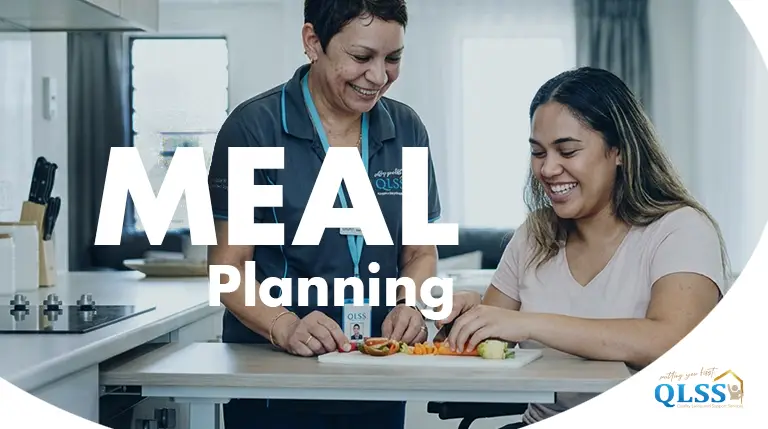
At QLSS, meal preparation is about much more than putting food on the table. It’s about helping participants make choices, develop life skills, and take an active role in their daily lives. This aligns with participant-led meal planning, skill building, and increasing independence in the home.
Why Meal Preparation Matters in SIL
Food plays a major role in our health, wellbeing, routines, culture, and social connections.
Learning how to plan meals, shop for groceries, and prepare food can help participants:
- Build everyday living skills
- Make healthier food choices
- Increase independence
- Develop confidence in the kitchen
- Manage household budgets
- Participate more actively in their home environment
- Enjoy greater choice and control over what they eat
Even small tasks can be valuable learning opportunities. For some participants, this might mean selecting meals for the week. For others, it could involve preparing a complete meal independently.
A Person-Centred Approach
Every participant has different goals, interests, abilities, and support needs.
Some people enjoy cooking and want to build their skills. Others may need support with planning meals, reading recipes, using kitchen appliances, or following food safety practices.
A person-centred approach to meal preparation takes into account the individual’s goals, dietary requirements, allergies or food intolerances, cultural preferences, favourite meals, existing cooking skills, and communication needs. By understanding these factors, support workers can help create meal planning and cooking experiences that are safe, enjoyable, and meaningful, while also supporting the person’s independence and wellbeing.
Meal preparation support should be tailored to the individual, allowing them to be involved as much or as little as they choose while encouraging ongoing skill development. This participant-led approach is consistent with best-practice SIL meal planning processes.
The Meal Planning Process
Successful meal preparation often starts well before cooking begins.
Many SIL households benefit from a regular meal planning routine where participants can discuss ideas and help decide what meals they would like during the week.
Participants can contribute favourite recipes, explore new foods, review previous meals, and consider their dietary needs.
A weekly meal planning session may include:
- Choosing breakfasts, lunches and dinners
- Discussing healthy options
- Considering special dietary requirements
- Creating a shopping list
- Checking pantry supplies
- Planning snacks and treats
- Deciding who would like to help with cooking
When participants are involved in planning, they are often more engaged and more likely to try new foods and develop lasting skills.
Grocery Shopping as a Learning Opportunity
Grocery shopping (either in-person or shopping online) can be just as valuable as meal preparation itself.
Support workers can assist participants to:
- Create shopping lists
- Compare prices
- Budget for groceries
- Locate products in stores
- Understand nutrition labels
- Choose healthy ingredients
These activities help participants develop practical skills they can use throughout their lives while increasing confidence and community participation. Grocery planning and pantry checks are key components of effective meal preparation routines.
Building Skills in the Kitchen
Meal preparation creates opportunities to develop a wide range of daily living skills.
Depending on their goals, participants may be supported with:
- Washing and preparing vegetables
- Measuring ingredients
- Following recipes
- Using kitchen equipment safely or using adaptive tools
- Cooking simple meals
- Storing food correctly
- Cleaning up after cooking
Support workers can adapt tasks to suit each person’s abilities while promoting independence wherever possible. Simplified recipes, adaptive cooking equipment, and step-by-step instructions can make cooking more accessible and enjoyable.
Encouraging Healthy Eating
A balanced diet plays an important role in supporting physical health, mental wellbeing, energy levels, and overall quality of life. For people living in Supported Independent Living (SIL), developing healthy eating habits can also contribute to greater independence and confidence in everyday life.
Meal preparation support provides opportunities to learn practical nutrition skills and make healthier food choices. This may include incorporating plenty of vegetables into meals, choosing lean protein sources, planning balanced meals, exploring seasonal produce, reducing reliance on takeaway foods, and building a better understanding of nutrition and healthy eating.
Healthy eating doesn’t mean removing favourite foods. Instead, it’s about creating balance, variety, and sustainable habits that participants enjoy. Guidance around balanced meals and participant preferences is recognised as an important element of meal planning success.
Supporting Choice and Control
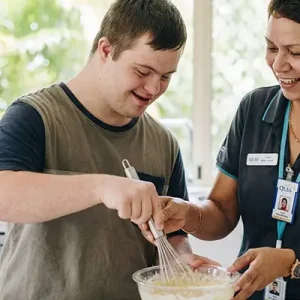
One of the core principles of the NDIS is giving participants greater choice and control over their lives.
Meal preparation provides opportunities for participants to:
- Choose what they eat
- Explore new recipes
- Share cultural foods
- Learn new cooking techniques
- Build confidence making decisions
Being involved in food choices can increase independence while helping participants feel more connected to their home environment and daily routines.
Creating Positive Experiences Around Food
Meals are often about more than nutrition. Cooking together can encourage social interaction, relationship building, and shared experiences within the home. Meal preparation activities can create opportunities for conversation, teamwork, learning, and celebration.
Positive experiences around food can help participants build confidence and develop a healthy relationship with eating and cooking. Creating an enjoyable mealtime environment is considered an important part of successful SIL meal planning.
How QLSS Supports Participants
At QLSS, we support participants to develop practical everyday living skills that promote greater independence and confidence.
Our support workers work alongside participants to assist with meal planning, grocery shopping, meal preparation, healthy eating habits, and kitchen safety. Most importantly, we focus on empowering participants to be actively involved in the process and achieve their individual goals.
Whether someone is learning to prepare their first simple meal or building confidence managing a weekly meal plan, we’re committed to supporting them every step of the way.
With the right support, participants can take meaningful steps towards greater independence while enjoying nutritious meals and positive experiences in their home. Contact us today to find out how we can support you.