
When people think about healthcare, they often think of doctors and nurses first. However, there is a large group of healthcare professionals who play an important role in helping people improve their health, independence, and quality of life. These professionals are known as Allied Health professionals.
For many NDIS participants, Allied Health services can provide valuable support to achieve goals, build skills, and participate more fully in everyday life.
What Does Allied Health Mean?
Allied Health is a broad term used to describe healthcare professionals who are not doctors or nurses but provide specialised support and therapies.
These professionals work with people of all ages to improve their physical, emotional, social, and functional wellbeing. Their focus is often on helping people develop skills, maintain independence, and overcome challenges that may affect daily life.
Allied Health services can be delivered in clinics, homes, schools, workplaces, community settings, and Supported Independent Living (SIL) homes.
Types of Allied Health Professionals
There are many different Allied Health professions, each with a unique area of expertise.
Common Allied Health professionals supporting NDIS participants include:
Occupational Therapists (OT’s)
Occupational Therapists help people develop the skills they need for everyday activities and independent living.
They may assist with:
- Daily living skills
- Personal care routines
- Home modifications
- Assistive technology
- Building independence at home and in the community
For example, an Occupational Therapist may recommend equipment or strategies that make everyday tasks safer and easier.
Speech Pathologists
Speech Pathologists support people with communication and swallowing difficulties.
They can help participants:
- Improve speech and language skills
- Use alternative communication methods
- Build social communication skills
- Increase confidence when communicating with others
Effective communication can have a significant impact on a person’s independence, relationships, and participation in the community.
Physiotherapists
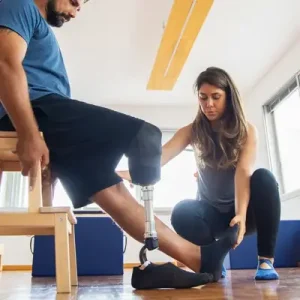 Physiotherapists help improve movement, mobility, strength, and physical function.
They may support participants by:
- Developing exercise programs
- Improving balance and coordination
- Managing pain
- Supporting mobility goals
- Reducing the risk of falls
Physiotherapy can help participants stay active and maintain their independence for longer.
Psychologists
Psychologists support mental health, emotional wellbeing, and behaviour.
They may help participants:
- Manage anxiety and stress
- Build coping strategies
- Improve social skills
- Develop confidence and resilience
- Work towards personal goals
Psychological support can be an important part of overall wellbeing and quality of life.
Behaviour Support Practitioners
Behaviour Support Practitioners work with participants who may be experiencing behaviours of concern.
They focus on understanding the reasons behind behaviours and developing positive strategies to improve quality of life.
Their goal is to help participants feel understood, supported, and empowered while promoting positive outcomes.
How Allied Health Supports NDIS Participants
Allied Health professionals play a key role in helping NDIS participants achieve their goals.
Support is always person-centred, meaning services are tailored to the individual’s needs, strengths, interests, and aspirations.
Depending on their goals, participants may access Allied Health services to:
- Increase independence
- Improve communication skills
- Build confidence
- Develop life skills
- Enhance mobility and physical health
- Strengthen social connections
- Improve emotional wellbeing
- Participate more actively in their community
The focus is not only on addressing challenges but also on building capacity and creating opportunities for growth.
Allied Health and Support Coordination
Support Coordinators often work closely with Allied Health professionals to ensure participants receive the right services and supports.
A Support Coordinator can help participants:
- Understand their NDIS plan
- Connect with Allied Health providers
- Coordinate appointments and services
- Monitor progress towards goals
- Build relationships with support networks
When providers work together, participants benefit from a more coordinated and effective support system.
Allied Health in Supported Independent Living (SIL)
For participants living in Supported Independent Living accommodation, Allied Health services can be an important part of daily support.
Allied Health professionals may work alongside support staff to help participants:
- Develop cooking and household skills
- Improve mobility and safety within the home
- Build communication skills
- Create healthy routines
- Increase independence in daily activities
- Work towards personal goals
This collaborative approach helps ensure participants receive consistent support that aligns with their goals and promotes greater independence.
The Benefits of Allied Health
Allied Health services can have a positive impact across many areas of life.
Benefits may include:
- Greater independence
- Improved confidence
- Better communication
- Enhanced physical health and mobility
- Increased community participation
- Stronger social connections
- Improved wellbeing and quality of life
Every participant has different goals, and Allied Health professionals provide tailored support to help individuals achieve outcomes that are meaningful to them.
Part of Your Care Team
Allied Health professionals are an essential part of the NDIS support network. Whether it’s improving communication, increasing independence, building life skills, or supporting emotional wellbeing, Allied Health services help participants live fuller and more connected lives.
By working alongside participants, families, support coordinators, and support workers, Allied Health professionals provide practical, personalised support that empowers people to achieve their goals and reach their full potential.
For assistance in engaging Allied Health with your NDIS Plan, contact one of our Support Coordination team today.